Eco-Friendly Pressure Cleaning: Claims Worth Checking
If you own a home or business in Glenelg, you have probably seen pressure cleaning services advertise themselves as "green," "eco-friendly," or "environmentally safe." With the Patawalonga outlet, Holdfast Bay beaches and Gulf St Vincent all close by, it is reasonable to care about what ends up in the water. But these labels are not tightly regulated, so it pays to know which claims hold up and which deserve a few questions before you book.
Why Eco Claims Matter So Much in Glenelg
Glenelg is a coastal suburb, and many of its stormwater drains lead directly to the sea. Unlike household wastewater, which goes to a treatment plant, water that enters a stormwater drain generally flows untreated into local waterways. That means anything washed off a driveway, paver area, balcony or shopfront on Jetty Road can end up in the marine environment.
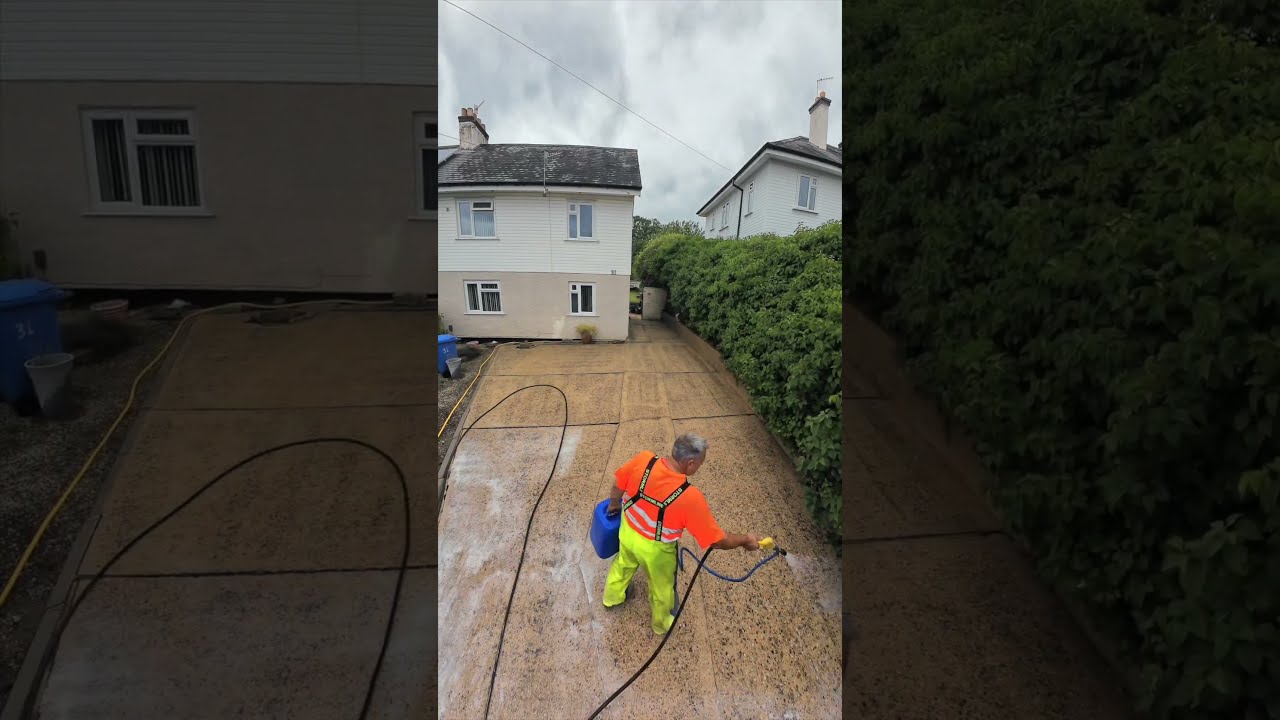
In South Australia, the Environment Protection Act 1993 and the General Environmental Duty require people to take reasonable and practicable measures to prevent environmental harm. The EPA SA has long advised that wash water containing detergents, oils, paint particles or other contaminants should not be allowed to enter the stormwater system. This applies to commercial operators and homeowners alike.
Common Eco-Friendly Claims and What to Check
"Biodegradable" Cleaning Products
Biodegradable simply means a substance can be broken down by natural processes, but it says nothing about how long that takes or whether the product is harmless while it breaks down. Some biodegradable detergents are still toxic to fish and aquatic invertebrates in their concentrated form. Ask the provider for the product's Safety Data Sheet (SDS), which lists ecotoxicity information, and check whether the product has independent certification.
"Chemical-Free" Cleaning
This is one of the most misleading phrases in the industry. Water itself is a chemical, and nearly every cleaning method involves some kind of compound. Pressure washing with plain water can be genuinely low-impact for light dirt, but moulds, algae, lichen and oil stains usually need a treatment. A truthful provider will explain what they use rather than claim to use nothing.
"Non-Toxic" and "Plant-Based"
Natural origins do not guarantee safety. Some plant-derived surfactants and acids can still harm aquatic life or damage garden beds and lawns. Look for specifics: what the active ingredients are, at what dilution they are applied, and how the runoff is managed.
"Water-Saving" Equipment
https://glenelgpressurecleaning.com.au/tennis-court-cleaning/Pressure washers generally use far less water than a garden hose, often a fraction of the volume for the same job. However, the savings depend on the machine, nozzle and technique. Ask whether the operator uses a flow-controlled unit, surface cleaners (which reduce overspray and splashing) or water recycling equipment.
Questions to Ask Before Hiring
A reputable local operator should be comfortable answering practical questions. Consider asking the following:
- What products do you use, and can I see the SDS? A transparent provider will share this without hesitation.
- How do you manage wash water? Look for answers involving drain covers or bunding, wet vacuum recovery, and disposal to sewer or an appropriate treatment point rather than the stormwater drain.
- Do you use hot water or low-pressure soft washing? Both can reduce the need for stronger chemicals, depending on the surface.
- How do you protect plants and gardens? Pre-wetting vegetation and rinsing afterwards are common precautions.
- Are you insured and familiar with South Australian EPA requirements? This shows they take compliance seriously.
Cleaning Methods That Can Reduce Environmental Impact
Soft Washing
Soft washing uses low pressure combined with a targeted cleaning solution to remove algae, mould and mildew from roofs, rendered walls and delicate surfaces. Because it relies on the solution rather than force, it can reduce surface damage. The trade-off is that the solution, often containing sodium hypochlorite, needs careful handling, dilution and rinsing. It is not automatically "green," but it can be managed responsibly.
Hot Water Pressure Cleaning
Heated water can lift grease and oils with little or no detergent, making it useful for commercial kitchens, driveways and carparks. It uses more energy, so there is a trade-off between chemical use and fuel or electricity consumption.
Wash Water Capture and Recovery
Capturing wash water with sump pumps, drain mats or vacuum systems is one of the most meaningful steps an operator can take. It stops contaminants reaching the stormwater system, and in some cases the water can be filtered and reused on site. This matters most near Glenelg's foreshore, marina areas and any property with direct drain access.
Surface-Specific Considerations in a Coastal Setting
Salt air, sand and humidity shape how surfaces in Glenelg age. Pavers, limestone, render, Colorbond roofing and timber decking each respond differently to cleaning. Too much pressure can etch concrete, loosen paver sand, strip sealant or force water behind cladding. An approach that protects the surface also tends to be better for the environment, because it reduces the need for repeat cleaning, resealing and repairs.
Salt deposits themselves are usually removed with fresh water, which often needs little more than a low-pressure rinse. Be wary of any suggestion that heavy chemicals are required for routine salt build-up.
Tips for Homeowners and Businesses
You can also reduce the environmental footprint of your own cleaning schedule:
- Clean only when needed, since over-cleaning wastes water and wears surfaces.
- Block or cover nearby stormwater pits before work starts.
- Direct wash water onto lawn or garden only if it contains no detergent or contaminants, and confirm this with your provider.
- Apply a quality sealer after cleaning to slow the return of algae and staining.
- Trim overhanging vegetation and clear gutters to limit moisture and organic build-up.
Spotting Greenwashing
Greenwashing is when a business makes environmental claims that are vague, exaggerated or unsupported. The Australian Competition and Consumer Commission (ACCC) has been paying close attention to misleading environmental claims, and businesses are expected to be able to substantiate what they say. Warning signs include:
Broad statements with no explanation, such as "100% eco-safe," imagery of leaves and water with no supporting detail, reluctance to name products, and claims of certifications that cannot be verified. A trustworthy provider is more likely to describe the limitations of their methods than to promise there is no impact at all.

Balancing Results and Responsibility
Eco-friendly pressure cleaning is achievable, but it comes from process rather than slogans. Correct product selection, appropriate dilution, controlled water use, wash water capture and surface-appropriate technique all contribute. Sometimes the most environmentally responsible option is the simplest one, such as a gentle clean with warm water and a targeted treatment for a single problem area.
When you are comparing quotes for your Glenelg property, treat environmental claims the way you would treat any other promise: ask for detail, check the documentation, and choose a provider who can explain exactly how they protect your property and the local coastline. As expectations around environmental accountability continue to grow in 2026 and into 2027 and beyond, well-informed customers will help raise standards across the whole industry.
Glenelg Pressure Cleaning
Unit 3/2-4 Byre Ave, Somerton Park SA 5044
(08) 7282 0893